
Making holiday memories with your children in the kitchen
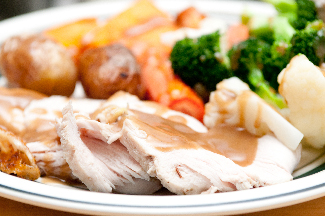 Is there anything on the planet that brings people together more than food?
We gather around the table as families and friends to celebrate everything from birthdays and anniversaries to major holidays like Thanksgiving and Christmas. Even enemies sit down and share a meal together as a sign of peace between them. Eating together somehow bonds people to one another.
Into the Holiday Bustle
Behind the sharing of food is the actual preparation of our meals. Often, as the holiday seasons roll around, particularly Thanksgiving and Christmas, there is an enormous amount of work to be done in the family kitchen. Mothers (and sometimes fathers) find themselves spending more and more time preparing, and less time sharing time with their families.
The holidays are primarily about family, spending time together, enjoying one another, and making memories that last a lifetime. But, in the middle of our constant activity, one of the greatest memory-making opportunities is missed in many homes — kitchen memories!
 Proceed Without Fear, Mom and Dad
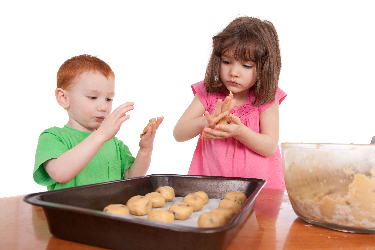
Many parents immediately cringe with fear when we hear the phrase “kids helping out in the kitchen.” Images of knives, boiling water, hot pans, children underfoot, and injuries fill our heads. It is hard for us to do, but we can put those fears aside, and instead think of the positive (and how to deal with those fears).
We want our children to be comfortable in the kitchen. With any luck, they may also learn to cook (and not only macaroni and cheese)! We also do not want to reach the end of the holidays and have the feeling that we did not spend as much time with our kids as we would have liked. As a family, we need quality time with them, to have fun, create lasting memories, prepare and eat great food, and teach them something about working in the kitchen. These are lessons for later in life!
Make a Plan
True, it takes a tiny bit of planning to get the kids involved in food preparation, but holiday meals take a good bit of planning anyway.
To prep for a kitchen day with the kids, choose a few dishes, or a few specific cooking activities that you think your kids will enjoy (and be able to accomplish). Since you already have a plan for preparing the meal, just spending a few extra minutes thinking it through can help us see what opportunities are there for the children to be involved.
The very youngest can help out with opening packages. They also love to sit in a tall chair or stand on a small stool and watch you work in the kitchen, especially if you talk with them about what you are doing. As kids get a little older they can also help out by watching timers, stirring, mixing, and even throwing things into the trash can. It’s amazing what will keep them entertained and help them feel involved. Older children can do virtually anything in the kitchen (with a little supervision), from cutting to assembling to putting things into the oven.
And about those fears of having kids in the kitchen mentioned earlier? Again, a little planning helps take care of those concerns. For instance, if you worry about a little one getting burned, just be sure to set them up in a part of the kitchen where they will not be near the stove or oven. If it is knives that concern you, then just be careful of where you lay them down, and you can be double careful by choosing a certain place in the kitchen to cut that is “out of bounds” for your smaller children. Some thinking ahead and extra attention will keep your kids out of harms way. That way, you can focus on the kitchen fun with your kids and build memories and traditions that may be passed on.
 An Easy Beginner Recipe
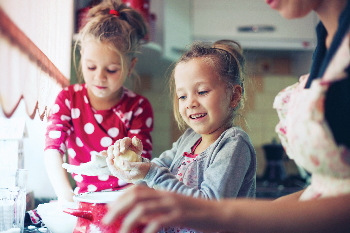
Cooking with our kids is not only possible, it can be wonderful fun. A great place to start is making cookies! It is relatively easy and provides quick gratification. Nearly everyone likes them and there are also plenty to share or even give as gifts to friends and neighbors. Here is a recipe to get you started.
Chocolate Chip Cookie Recipe
You will need:
- electric mixer, spoon, baking sheet (greased, lined, or non-stick), great holiday music, and a camera!
- 2.25 cups flour
- 2 cups chocolate chips
- 2 eggs
- 2 teaspoons vanilla extract
- 1 cup unsalted butter (room temperature)
- 1 cup brown sugar
- 1 teaspoon salt
- 0.5 cup white sugar
- 0.5 teaspoon baking soda
Let’s make cookies!
This is such an easy recipe to do with kids, since there’s nothing sharp to work with — just measuring and mixing and cooking!
- Help your child set the oven to preheat to 350 (bake).
- Help your child put the butter and the white and brown sugars into the bowl of the electric mixer. Mix those on medium until well mixed and smooth. (If the kids can reach, turning on the electric kitchen tools is always a lot of fun!)
- Now put the mixer on slow, and have your child carefully add salt, vanilla, and eggs (kids love to crack open eggs…so have a few extras on hand!). Allow this to mix until well combined.
- Finally, add the flour and mix no longer than it takes to combine.
- Now, a part the kids love, stir in the chocolate chips by hand (not with the mixer). If a few morsels disappear, well, that is always okay…and a great photo opportunity!
- Kids enjoy helping put the prepared cookies onto the baking sheet before the parents slide them into the hot oven. Cook for 8-10 minutes and you have a wonderful treat for sharing with the kids, and with your holiday guests.
 Wonderful Benefits
Even if things turn out differently than planned on your first foray into the kitchen with your little ones, enjoy this time. Cooking together is all about the memories, not necessarily the perfect cookbook meal. Being part of something as important as preparing the big holiday meal (or even something simple like cookies) is an exciting opportunity for you and for them.
Smile, Laugh, Talk — This is the Whole Point!
When our children (especially older ones) are comfortable and enjoying themselves, then they seem to be more willing to open up and talk about things that they might otherwise keep to themselves. And we, as parents, have an opportunity to share as well, talking about our own childhood memories as we make new ones with the kids. We not only guide and teach our children, we also relate to them as human beings on every level, and that includes building meaningful and lasting relationships with those so dear to us.
What better reason could there be for cooking in the kitchen than building those memories and relationships with ones we love so dearly — our children.
Matthew E. Jackson is the father of five, a writer, an adjunct professor of religion, philosophy, and humanities at Strayer University, and Director of Client Services at Think Webstore.


 Merriam-Webster’s Dictionary defines organization as “the act or process of putting the different parts of something in a certain order so that they can be found easily.”
 Once you start a project, your enthusiasm becomes contagious. Knowing that there is a solution is half the battle.

 With all of these emotions active as the new school year unfolds, one of the most important concepts to embrace is TRUST. Each student, and each parent, makes the decision whether to trust the teacher. Trust is essential on both sides of the parent-teacher relationship. Parents are trusting a stranger to teach, care for, nurture, and discipline their child for seven hours a day. Teachers are trusting parents to help, support, and guide their child through the assignments done at home. Shamefully, as the years have passed, a less trusting attitude has seeped into the minds of parents in regard to teachers, and I wonder if it’s fear leading this mistrust. Many parents are afraid to trust someone else with the daily care of their child. I once had a principal who frequently told the staff, “Parents are sending you the best child they have.” The staff would always giggle and smile, as we knew we had a roomful of “best” “children”. In order for the teacher to get the best out of that “best child,” a trusting and communicative bond is essential between home and school.
 being repeated over and over in my head. I had to TRUST in my abilities to lead and teach, TRUST my students, and TRUST their parents.

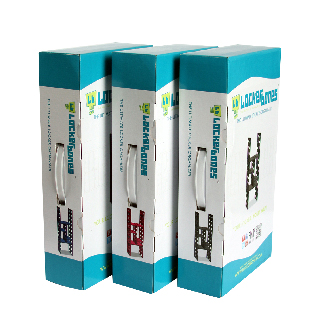 Mississippians may be unable to walk into a store to buy LockerBones, since there are not many Staples retail locations in the state, including the capital city area. However, shoppers can order either plastic or wooden LockerBones on the LockerBones website (

 Almost from the beginning, even before we arrived at the hospital, I had a heart-gripped determination to turn a negative into a strength forged with the power of being a father. While the reality of diabetes does not leave us, we have worked as a family to move beyond the condition and realize and capitalize on my son’s gifts. They are many.
 The one person who has helped us more than anyone has been our son. His attitude. His demeanor. His acceptance. His intelligence. They have all come to bear. We always strive to make life easier for him, when in truth, he has made it easy for us.
 Now seven years old, when it comes to hardship and overcoming life-challenging obstacles, our son has taught us more than we have taught him. Every day, he takes eight to10 finger pricks and four to six shots with grace. He stands before his peers, who often look at him in awe as, without wincing, he holds out a finger to check his blood or an arm for a shot. When he feels the social pressures of being different because he must consider his foods, patiently waits for his insulin before he starts eating, or goes “low” while playing a basketball game, he passes it off with a grace and composure that most of us have to imagine possessing.

 Along with starting school comes stress — — both eustress (positive stress) and distress (negative stress). Kids making new friends can be eustress. Being rushed out the door and panicking through, what has become happily forgotten, school traffic is distress. Whether the stress is positive or negative in nature, it still amounts to stress.
 Health
 Don’t just send your kids to bed early to prepare for the upcoming year; let them know why and how going to bed on time helps the family transition to the new school year. Like many lessons, they may not appreciate it until they are in their twenties or parents themselves, but they will benefit from it. Take the extra time and effort and pay it forward.



 Teachers — thoughts for online conduct and awareness
 Students — thoughts for how guardians monitor kids’ online time

 It is not enough simply to encourage our children to read, to discipline when it seems the effort is not there, or to reward good reading scores from school. The challenge is this: How do we help develop the love of reading in our children? Not just to read at the proper level with sufficient understanding, but how do we share the love of the written word?
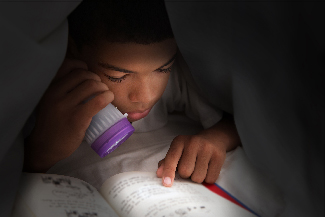 Bedtime stories are one of the earliest ways that parents introduce reading to their children. From an early age, they learn to enjoy books with Mom and Dad. Later, as they mature, reading with them and allowing them to read to you will take the place of those bedtime stories. In addition, our children need to see that books are important in our lives. Sometimes they need to see us reading instead of watching TV, or hear us talking about a book we enjoyed. If our kids only see us watching TV, then inspiring them to read may be an uphill battle.
 My own children do this today. They have grown up watching me read. We take weekend trips to the bookstore — not just for the kids to pick out a book, but I am there looking and buying books for myself with just as much excitement (if not more) than they. We sit in the living room together, and we read. I don’t send them to get books and invite them to join me. Rather, I look up from a chapter, and my kids will be around me, lounging on the floor or the couch, reading right alongside me. Of course, we do many other things together, but reading has always been a central part of our relationship.
